Can Pressure Washing Damage Vinyl Siding? Risks and Safer Alternatives
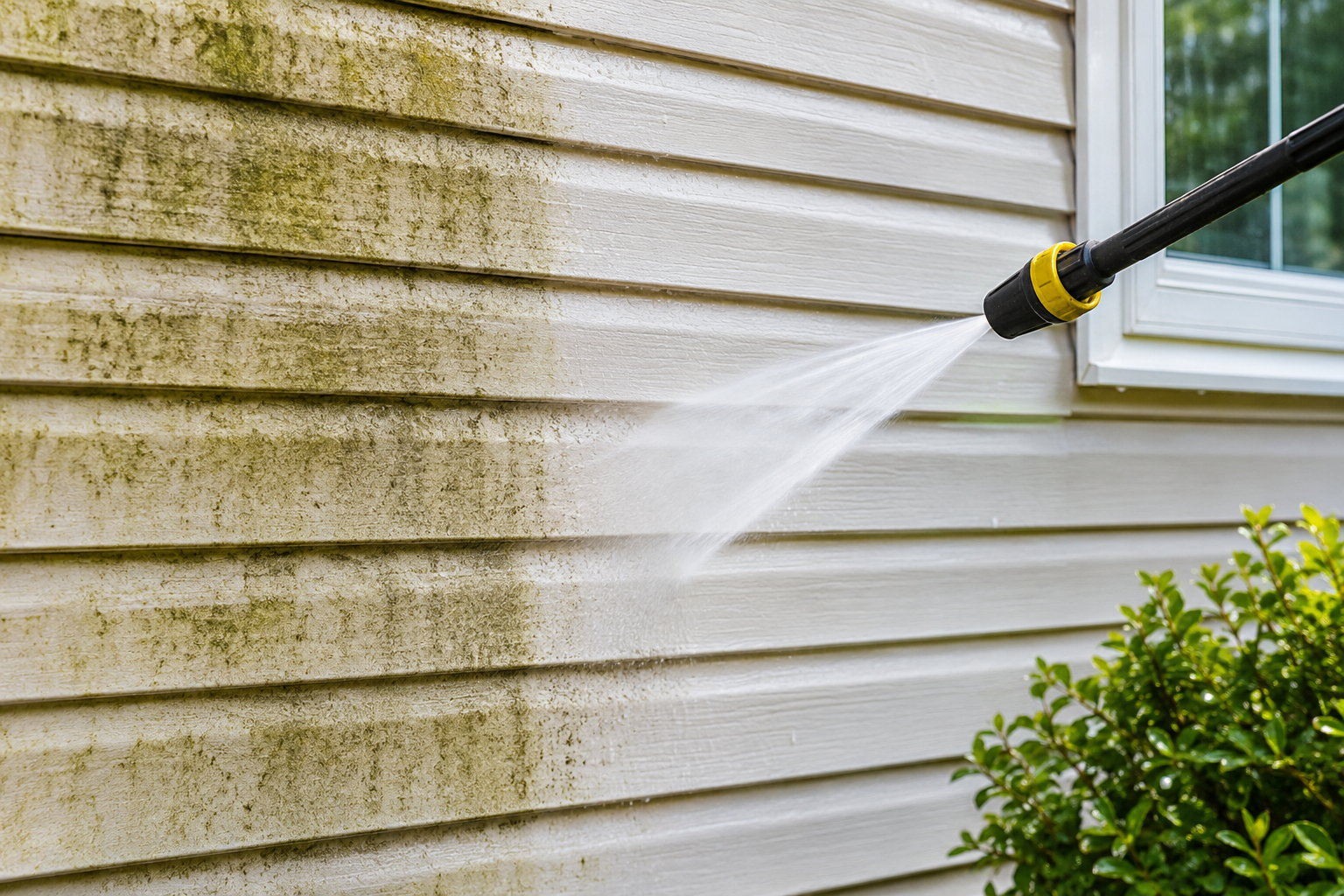
A freshly cleaned home can make an entire property look better. But when green streaks, mildew, and stubborn dirt begin covering your vinyl siding, reaching for a pressure washer isn't always the best solution.
Vinyl siding is designed to withstand Alabama's heat, humidity, and unpredictable weather. However, excessive water pressure can damage its surface and create problems that aren't immediately visible.
Before cleaning your home's exterior, it helps to understand which methods work best, what mistakes to avoid, and how to restore your siding without compromising its condition.
Can Pressure Washing Damage Vinyl Siding?
Yes, pressure washing can damage vinyl siding when excessive water pressure, improper spray angles, or unsuitable cleaning products are used. Common risks include cracked panels, discoloration, loose siding, and moisture intrusion behind exterior walls.
Soft washing is generally a safer alternative for vinyl siding because it uses low-pressure water and compatible cleaning solutions to remove algae, mildew, dirt, and other contaminants.
Always follow your siding manufacturer's cleaning recommendations to minimize the risk of damage.
Why Is Vinyl Siding Vulnerable to Pressure Washing?
Vinyl siding is durable, but it isn't designed to withstand the same cleaning pressure as concrete or other hard surfaces.
Its overlapping panels allow for expansion and contraction as temperatures change. Although this design helps protect your home from everyday weather exposure, concentrated water pressure can force moisture through panel openings.
Older siding may also become brittle after years of exposure to sunlight and changing temperatures.
The condition of your siding, cleaning equipment, spray distance, and technique all influence how safely it can be cleaned.
Simply increasing water pressure doesn't guarantee better results.
5 Ways Pressure Washing Can Damage Vinyl Siding
1. Cracked or Broken Siding Panels
Excessive pressure can crack, chip, or damage vinyl siding, particularly when the material is already weathered.
Holding a pressure washer nozzle too close to the surface increases the intensity of the water stream. Older panels, corners, and decorative trim may be especially susceptible to damage.
2. Water Intrusion Behind Siding
One of the biggest concerns with pressure washing vinyl siding is moisture entering areas behind the panels.
Spraying upward into overlapping sections can force water where it doesn't belong. If moisture becomes trapped and cannot dry properly, it may contribute to:
Hidden mold growth
Wood deterioration
Damaged wall sheathing
Interior moisture problems
Insulation damage
Unfortunately, these problems may develop long before homeowners notice visible warning signs.
3. Discoloration and Permanent Streaks
Over time, vinyl siding can develop oxidation, which often appears as a chalky residue.
Aggressive washing can remove this residue unevenly, leaving noticeable streaks or patches across the exterior.
Incompatible cleaning products may also affect the siding's original finish. What starts as an attempt to improve curb appeal could leave your home looking worse than before.
4. Loose or Dislodged Panels
High-pressure water directed toward panel edges can loosen siding that is already damaged or improperly installed.
Loose panels may become more vulnerable to strong winds, heavy rainfall, and seasonal storms.
This is particularly concerning for Alabama homeowners, where severe weather can place additional stress on exterior building materials.
5. Potential Warranty Problems
Not all vinyl siding manufacturers recommend pressure washing.
According to CertainTeed's vinyl siding cleaning guidelines, power washing is discouraged because it may cause moisture intrusion, discoloration, and material damage.
Using cleaning methods that conflict with manufacturer instructions could affect warranty coverage. Always review your product's maintenance requirements before starting.
CertainTeed+1
Pressure Washing vs. Soft Washing: Which Is Better for Vinyl Siding?
Both methods can clean exterior surfaces, but their approaches differ considerably.
Cleaning factors | Pressure washing | Soft washing |
Water pressure | Generally high | Low |
Cleaning method | Mechanical force | Cleaning solutions and gentle rinsing |
Vinyl siding suitability | Requires caution | Generally preferred |
Algae and mildew removal | Surface removal | Treats organic buildup |
Risk of physical damage | Higher when misused | Lower when performed correctly |
Best applications | Concrete and durable surfaces | Siding and delicate exteriors |
Soft washing is generally better suited to vinyl siding because it reduces reliance on aggressive water pressure.
Read our detailed guide on pressure washing vs. soft washing for Alabama homes to understand which cleaning method is appropriate for different exterior surfaces.
Why Soft Washing Is a Safer Alternative
Soft washing uses low-pressure water and specially selected cleaning solutions to break down organic contaminants.
Instead of blasting away buildup, the cleaning solution loosens dirt and treats algae and mildew, allowing contaminants to be rinsed away gently.
When performed correctly, soft washing offers several benefits:
Reduced risk of siding damage
Effective removal of organic buildup
Less aggressive mechanical cleaning
Improved exterior appearance
Greater suitability for delicate surfaces
However, soft washing still requires proper chemical selection, application, and rinsing. Using an incompatible solution can damage siding or surrounding landscaping, regardless of water pressure.
Professional residential exterior cleaning services can help homeowners select appropriate cleaning methods based on their property's materials and condition.
Why Vinyl Siding Gets Dirty Faster in Alabama
Alabama's climate presents unique challenges for exterior home maintenance.
Warm temperatures, frequent rainfall, and high humidity create favorable conditions for algae and mildew growth. Homes surrounded by trees or located in shaded areas may experience even more persistent buildup.
Several environmental factors contribute to dirty siding:
High humidity: Encourages moisture accumulation and organic growth.
Spring pollen: Leaves noticeable residue across siding and exterior trim.
Limited sunlight: Slows drying and encourages algae development.
Heavy rainfall: Spreads dirt and keeps exterior surfaces damp.
Nearby vegetation: Contributes to debris and moisture retention.
Homeowners throughout Tuscaloosa, Northport, and surrounding West Alabama communities should pay particular attention to shaded walls, areas beneath gutters, and sections near landscaping.
Regular maintenance can help prevent small patches of buildup from spreading across the exterior.
How to Clean Vinyl Siding Safely
Cleaning vinyl siding doesn't always require specialized equipment. The best method depends on the type of buildup and the condition of your exterior.
Use a Garden Hose
For light dirt, dust, and pollen, a garden hose may provide sufficient cleaning without exposing the siding to unnecessary pressure.
Avoid spraying upward into panel openings.
Use a Soft-Bristled Brush
A soft-bristled brush can loosen surface dirt without aggressive scrubbing.
Avoid wire brushes, abrasive pads, and other materials that could scratch or alter the siding's finish.
Choose Manufacturer-Approved Cleaning Products
Use cleaning solutions compatible with your specific siding material. Test unfamiliar products on a small, hidden section before wider application.
Never mix cleaning chemicals, and follow all product safety instructions.
Consider Professional Soft Washing
For widespread algae, persistent mildew, multistory homes, or hard-to-reach areas, professional soft washing is often the more practical solution.
A trained exterior cleaning technician can assess your siding and determine whether cleaning or repairs are necessary.
How Often Should Vinyl Siding Be Cleaned?
For most Alabama homeowners, inspecting siding regularly and considering an annual cleaning is a reasonable starting point.
However, cleaning frequency depends on environmental conditions and the manufacturer's recommendations.
Property conditions | Suggested inspection or cleaning assessment |
Open, sunny property | Every 12 months |
Heavily shaded property | Every 6–12 months |
Home surrounded by trees | Every 6–12 months |
Recurring algae or mildew | Every 6 months |
Recently cleaned siding | Seasonal inspection |
Watch for green streaks, dark spots, persistent stains, and visible dirt accumulation rather than relying exclusively on a fixed cleaning schedule.
Common Vinyl Siding Cleaning Mistakes to Avoid
Even well-intentioned homeowners can accidentally damage their siding.
Avoid these common mistakes:
Using excessive water pressure
Holding the spray nozzle too close
Spraying upward beneath siding panels
Using abrasive cleaning products
Allowing cleaning solutions to dry on surfaces
Ignoring cracks and loose panels
Operating a pressure washer while standing on a ladder
Before cleaning, inspect the exterior for existing damage. A gentle, surface-appropriate approach is preferable to aggressive washing.
Frequently Asked Questions
Is it OK to pressure wash vinyl siding?
Some manufacturers permit controlled pressure washing, while others discourage it entirely. Excessive pressure can damage panels and force moisture behind siding. Always follow manufacturer instructions and consider gentler cleaning alternatives.
What PSI is safe for vinyl siding?
There is no universal safe PSI for every vinyl siding product. Manufacturer recommendations, nozzle selection, spray distance, and siding condition determine appropriate pressure levels.
Can pressure washing cause mold behind vinyl siding?
Yes. Improper washing can force water behind siding panels. When trapped moisture cannot drain or dry properly, it may create conditions that encourage mold growth.
Is soft washing safe for older vinyl siding?
Soft washing is generally suitable for older siding when performed correctly. However, brittle, oxidized, or damaged panels should be inspected before cleaning to determine the safest approach.
Will soft washing remove green algae from vinyl siding?
Yes. Soft washing uses appropriate cleaning solutions to treat green algae, mildew, and other organic contaminants without relying on excessive water pressure.
Protect Your Home With Professional Vinyl Siding Cleaning
Your siding deserves more attention than simply spraying away visible dirt. Choosing the wrong cleaning method can damage its appearance and compromise the materials protecting your home.
At Alabama Pro Wash, we provide exterior cleaning solutions tailored to the unique challenges of Alabama's climate. Our surface-specific approach helps homeowners address stubborn algae, mildew, and dirt while minimizing unnecessary pressure on delicate materials.
Whether your siding needs routine maintenance or a more thorough cleaning, choosing the right method makes all the difference.
Ready to give your home a cleaner, brighter appearance?
Explore our professional pressure washing and soft washing services in Tuscaloosa, AL and contact Alabama Pro Wash today.

