
Why Alabama Roofs Get Black Streaks and How Cleaning Stops Them
A roof that was gray or brown a few years ago starts showing dark lines running down the slope. First a faint smudge near the ridge or along a shaded valley. Then wide, dirty bands that make an otherwise well-kept home look older than it is. Most homeowners assume it is soot, pollen, or the kind of grime that rains wash away on their own. It does not wash away, and it is not grime.
Those black streaks on roof shingles are a living growth. Understanding what feeds it, why Alabama roofs are so vulnerable, and why the cleaning method matters more than the cleaning product is the fastest way to keep a roof looking newer for longer.
What Black Streaks on Roof Shingles Actually Are
The dark staining that creeps down asphalt shingles is algae, not dirt. The usual culprit is a type of blue-green algae commonly known as Gloeocapsa magma. It arrives as airborne spores, settles on the roof surface, and begins feeding on the limestone filler used in asphalt shingles.
That feeding habit explains the pattern. The algae colonizes in a thin film and spreads wherever moisture lingers, which is why the streaks follow the direction water runs down the roof. A small patch near the top gradually extends downhill into long, obvious stripes.
Algae is rarely the only thing up there. Black staining is also very likely to harbor several molds or fungi. Unlike algae, those fungi lack chlorophyll and cannot manufacture their own food, so they settle into the same damp, shaded environment the algae has already created. The result is a mixed colony sitting on top of the shingle, holding moisture against the surface.
Why Alabama Roofs Grow Streaks Faster
Roof algae needs two things to establish itself: spores, which are in the air just about everywhere, and persistent moisture. Alabama supplies the second part generously. Warm, humid air, frequent rain, and long stretches of high humidity mean a roof stays damp well after the sky clears.
Homes with tree cover, north-facing slopes, and roofs with little direct sun exposure hold moisture even longer. Those are almost always the roofs that streak first and streak hardest. Once the colony is established, it does not need constant rain to survive. It needs only enough ambient moisture to keep feeding on the shingle filler.
This is also why the problem tends to get worse rather than stabilize. The darker the growth becomes, the more heat it absorbs and the more it shields itself from drying sun. Left alone, a thin streak turns into a broad band.
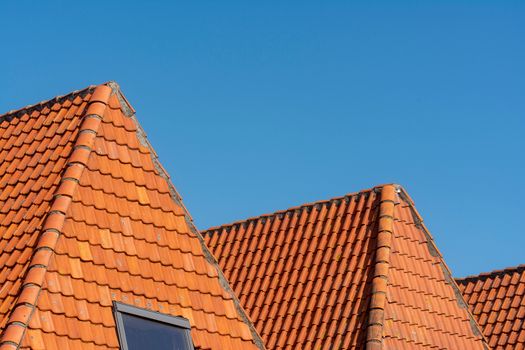
Why the Streaks Matter Beyond Curb Appeal
An algae-covered roof looks neglected, and on a real estate listing or a neighborhood drive that impression is hard to undo. But appearance is the smaller part of the story. A colony that stays on the shingles holds moisture against the surface long after the rest of the roof has dried, and moisture is the thing asphalt shingles are least designed to tolerate indefinitely.
The presence of mold and fungi alongside the algae is another reason not to let it sit. Growth that thick can also trap grit and debris, adding weight and texture that speed up normal wear. Cleaning is not cosmetic maintenance. It is part of keeping the roof performing the way it was built to.
Pressure Washing Is the Wrong Tool for a Streaked Roof
The instinct when something looks dirty is to blast it off. On an asphalt shingle roof, that instinct does real damage. The mineral granules on the surface of a shingle are what protect the asphalt underneath from sun and weather, and high pressure strips them loose. Once the granules are gone, they do not come back.
The standard approach for removing black streaks is a soft wash. A low-pressure cleaning solution is applied to the roof, the solution kills the algae causing the streaks, and the dead growth is rinsed away without the pressure that would tear up the shingles.
| Method | How it works | Effect on shingles |
|---|---|---|
| High-pressure washing | Mechanical force lifts the staining off the surface | Strips protective granules and can scar shingles |
| Soft washing | Low-pressure cleaning solution kills the algae, then rinses it away | Leaves the shingle surface and granules intact |
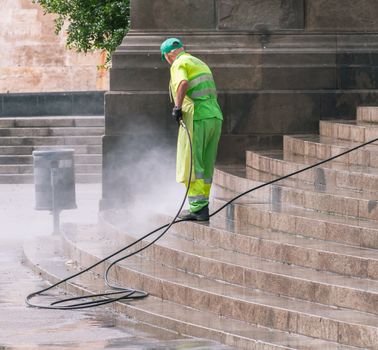
How Soft Washing Removes Black Streaks
A soft wash treats the roof as a living surface problem rather than a stain. Cleaning solution is applied at low pressure across the streaked areas, and the active ingredients go to work on the algae colony. The growth dies, releases its grip on the shingle, and rinses off cleanly.
Because the roof is not being scoured, the granules stay where they belong. The shingle surface stays intact. The rinse carries the dead growth and loosened debris into the gutters and off the roof, leaving the original color of the shingles visible again.
Application matters as much as the solution. A technician works the roof in sections, keeps the solution off plants and siding where it does not belong, and rinses thoroughly. Rushing that sequence is how homeowners end up with clean shingles and stressed landscaping.
Does Cleaning Actually Stop the Streaks From Coming Back
Cleaning kills the colony that is currently on the roof. That is the meaningful difference between washing and simply rinsing: rinsing removes the visible color but leaves the organism behind, and it returns quickly. Killing the growth removes the source of the staining.
No treatment makes a roof permanently immune, because spores are airborne and will always find their way back to a damp surface. What cleaning does is reset the clock. A roof that is kept free of growth stays clear far longer than one that was never cleaned, and periodic soft washing keeps a small patch from becoming a full slope of black bands.
Homeowners who clean on a reasonable schedule usually spend less over the life of the roof than those who wait until the staining is severe. Deferred cleaning means heavier growth, longer dwell times for the cleaning solution, and more risk that the algae has already done lasting damage.
Getting Alabama Roofs Cleaned Safely
Roof cleaning involves walking a wet, sloped surface, handling cleaning solutions, and knowing how much dwell time a particular shingle can take. That combination is why most homeowners in Tuscaloosa and the surrounding communities hand the job to a crew that does it regularly.
Alabama Pro Wash is a locally owned, family-operated exterior cleaning company serving Tuscaloosa, Northport, Brookwood, Bessemer, Hoover, and Birmingham since 2009. Roof cleaning is done by soft wash, using low pressure and cleaning solution to kill the algae behind black streaks and rinse it away without stripping shingles. The company is fully insured with $2 million in coverage, which matters on a job that puts a crew on your roof.
If your roof has moved past a faint shadow into visible dark bands, the growth has been feeding for a while. A walk-around inspection and a straight answer about soft washing is a better next step than another season of waiting for rain to fix it.
Frequently Asked Questions
Are black streaks on a roof really algae and not dirt?
Yes. The dark streaks running down asphalt shingles are a blue-green algae commonly known as Gloeocapsa magma, not accumulated dirt or soot. It arrives as airborne spores and feeds on the limestone filler in asphalt shingles. Because it is a living growth rather than surface grime, rinsing with a garden hose will not remove it.
Will rain wash the black streaks off my roof?
No. Rain adds the moisture the algae needs but does not remove the colony. Once growth is established on the shingles, it holds on and keeps spreading downhill with the water flow. Only a cleaning solution that kills the algae and a proper rinse will take the staining off the roof.
Can I pressure wash my own roof to remove the streaks?
It is not recommended. High pressure strips the protective mineral granules from asphalt shingles, and those granules do not grow back. Removing black streaks is a soft wash job: low pressure plus a cleaning solution that kills the algae. That approach cleans the roof without sacrificing the surface that protects it.
How often does a roof need cleaning in Alabama?
There is no single schedule that fits every home. Roofs shaded by trees or facing away from the sun hold moisture longer and streak sooner. Most homeowners clean when staining becomes visible and then re-check annually. A local roof cleaning company can assess your specific roof and recommend a realistic interval.
Is the black growth on a roof harmful?
The staining is very likely to harbor molds or fungi alongside the algae, and the growth holds moisture against the shingles long after the roof would otherwise dry. That trapped moisture works against the roof over time. Removing the growth protects both the appearance and the condition of the shingles.

